latest news

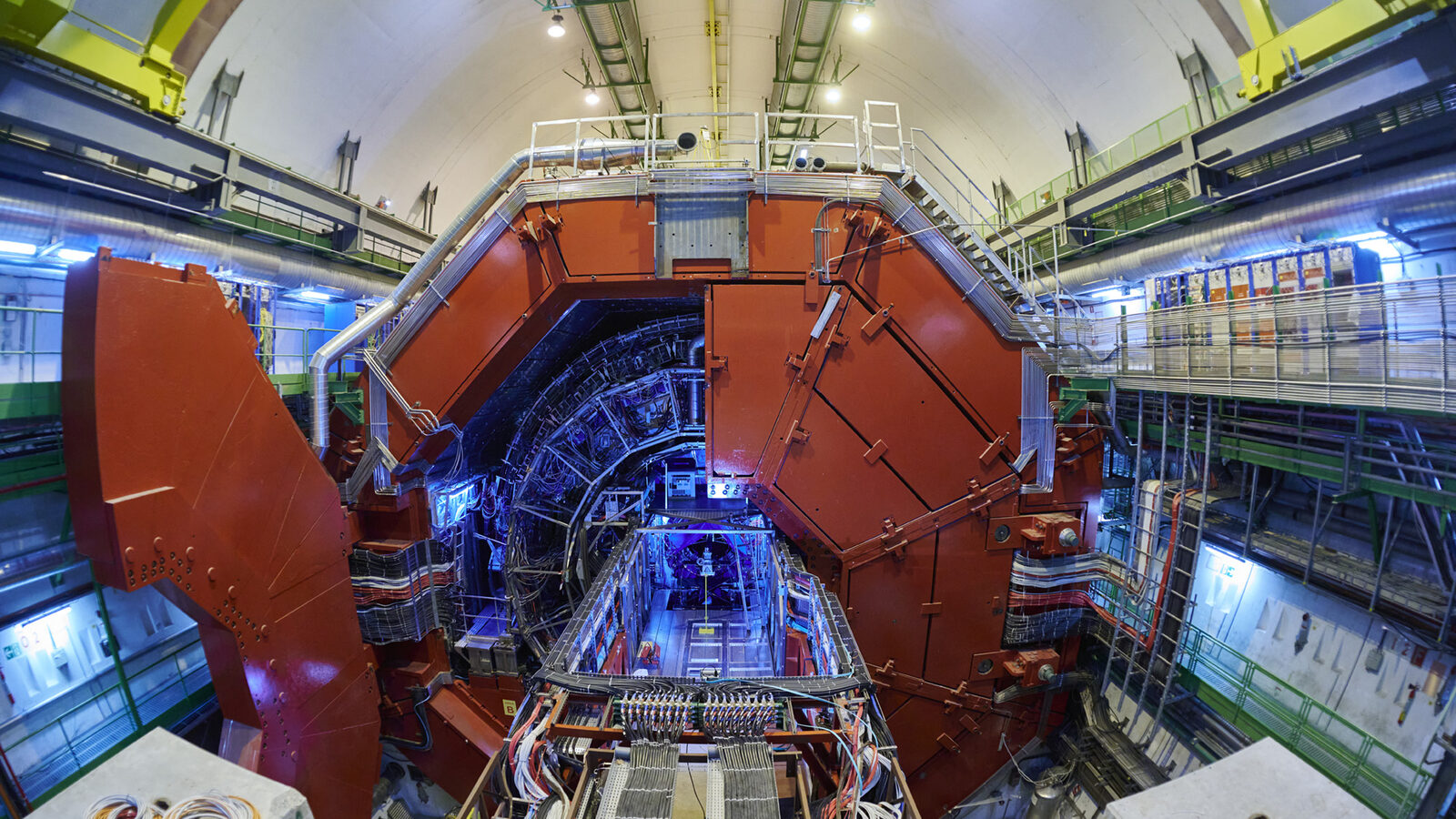
Curiouser and curiouser: a riddle at the ALICE detector

12/09/25

In 2023, the ALICE experiment was ready for their best year yet, until a mysterious signal threatened everything. As the LHC wraps up its 2025 lead-ion run, physicists recall how they worked together to solve the puzzle.

08/01/05

Tied with reed

What do a 200-year-old thatched-roof house and a modern high-energy-physics laboratory have in common?

08/01/05

Early linacs

The 1940s saw the origins of linear electron accelerators that directly led to the 2-mile-long accelerator at Stanford Linear Accelerator Center. SLAC archivist Jean Deken presents a pictorial history of early linear accelerator development at Stanford University.

08/01/05

International Linear Collider

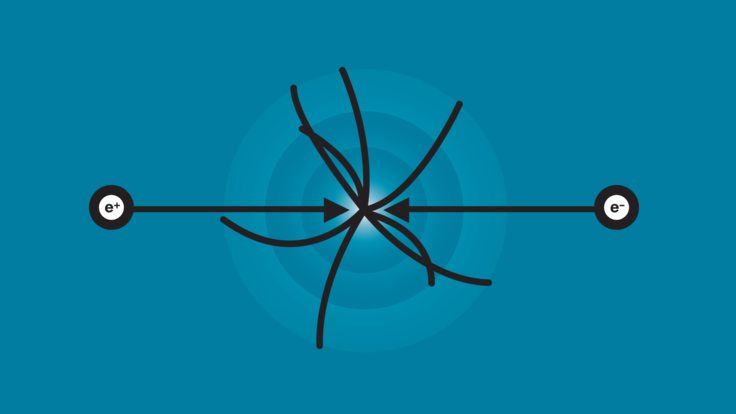
The International Linear Collider is a proposed new electron-positron collider. Together with the Large Hadron Collider at CERN, it would allow physicists to explore energy regions beyond the reach of today's accelerators.

08/01/05

Party poopers

Party poopers

Photo: Diana Rogers, SLAC
Busloads of new Stanford graduates and their families admired the field of golden grass on SLAC's eastern-most hill on a sunny Saturday in May. But their stunned tour guides looked in dismay as they sought 50 bright red balloons.

08/01/05

ILC organization

Planning designing, and funding the proposed International Linear Collider (ILC), a 40-kilometer-long electron-positron collider costing billions of dollars, will require global participation and global organization.

07/01/05

Two tribes become one

A physicist who has devoted his career to developing linear colliders confronts the decision that changed the global physics community and the focus of his work.

07/01/05

Hot extra dimensions

The most-cited paper in theoretical particle physics in 2004 was "A large mass hierarchy from a small extra dimension" by Lisa Randall and Raman Sundrum, published in Physical Review Letters in 1999.

07/01/05

Starship it's not

"It's funny to see how people react to it. Non-technical people steer wide and won't touch it, while engineers and designers, people you wouldn't think of as given to humor, will stand in front of it until it moves around or put a handkerchief on the wireless camera.